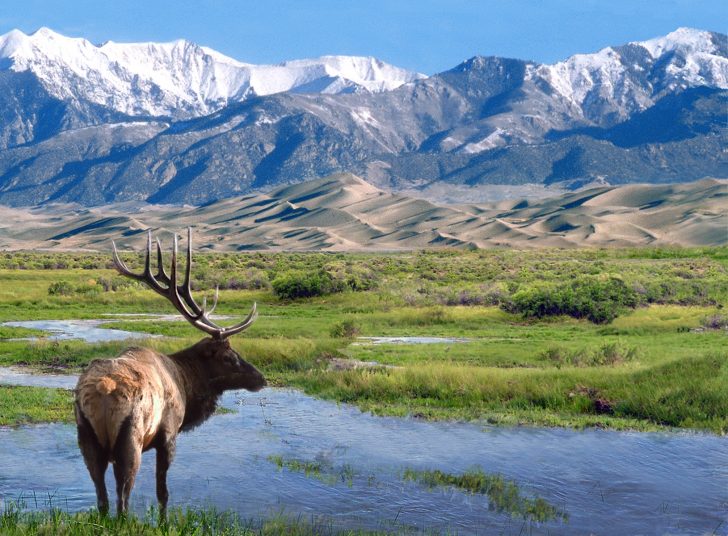
Great Sand Dunes National Park, located in the state of Colorado in the United States, encompasses an area of 340 square kilometers (130 square miles, or 85,000 acres) of magnificent sand dunes. The 12,000 year old sand dunes include the tallest dunes in North America, rising 230 meters (750 feet) above the valley floor. The park contains other landscape features found in the high desert, such as alpine lakes, tundra, forests, grasslands, and wetlands, all of which provide habitats for many kinds of wildlife. Visitors to the park can enjoy hiking over the dunes, though it is wise to either keep the visitor center in sight, or bring a compass, as there are no marked trails on the ever-changing dunes. The closest town with accommodation is Alamosa, 30 miles southwest of the park. There is also tent camping available within the park. The nearest international airport is located in Denver, the capital of Colorado, which is a 4 1/2 hour drive from the park.
Tag Archives: desert
Santorini, Greece

Credit: Marcel Germain
Southeast of mainland Greece in the southern Aegean Sea lies the stunning island of Santorini. A volcanic island, Santorini is an arid environment with a hot desert climate and very little rainfall, one of the only two environments of its kind in Europe. Fira, the capital, and Oia are the two main cities to visit on the island. The buildings and home of Santorini are the island’s most striking feature, consisting of whitewashed cube shaped houses, many with beautiful blue domed roofs. The hot climate and lovely black sand beaches make lounging on the beach with a delicious drink a favorite activity for visitors. Santorini is also home to wine vineyards, and a variety of world renowned vegetables, including tomatoes, white eggplants, and cucumbers. The island also has an airport which receives flights from Olympic Air, Aegean Airlines and Athens Airways. Fantastic accommodation for any budget can be found on this magnificent unique island.

Credit: Gaston Batistini

Credit: Clint Baker

Credit: Vince Arno

Credit: Georgio R.

Credit: Gaston Batistini

Credit: Marcel Germain

Credit: Patrick Mayon

Credit: Marcel Germain
Taklamakan Desert, China

Credit: Mike Locke
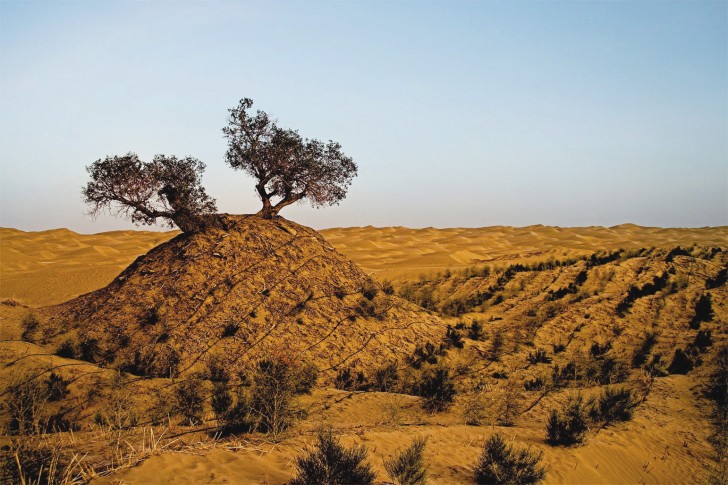
The Taklamakan Desert (or Takla Makan Desert) is the 15th largest sandy desert in the world, covering 320,000 square kilometers (123,550 square miles). It is located in the Xinjiang Uyghur Autonomous Region of China. The desert is seen mainly by those crossing it on the road between the towns of Hotan and Luntai. The famous Silk Road edges around the Taklamakan Desert so travelers of the past could avoid crossing its dangerously dry center. Mummies dating over 4,000 years old have been found in the region, along with other interesting artifacts. The Taklamakan Desert isn’t on the tourist map at all, but that doesn’t make it any less beautiful.

Credit: Stephan Gabos

Credit: Julian Fletcher

Credit: Ken Tan

Credit: Yuxi Lin

Credit: Julian Fletcher

Credit: Mike Locke

Credit: Ato

Credit: Yuxi Lin

Credit: Chad Buckwalter

Credit: Mike Locke

Credit: China.Mark
Giza Pyramids, Egypt

Credit: SAsqrd
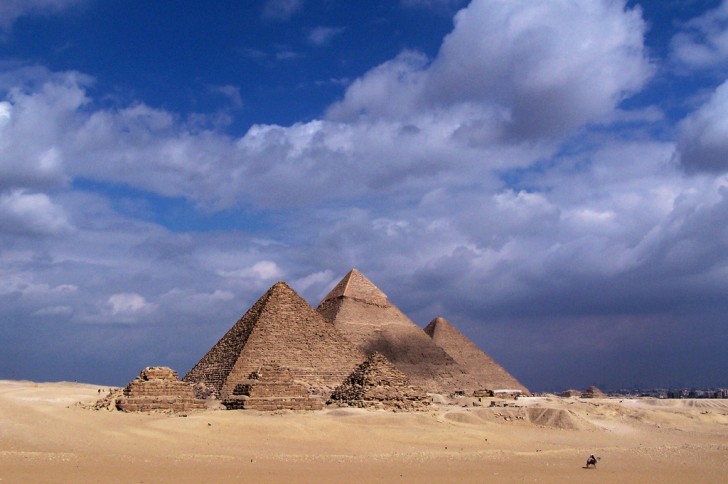
On the edges of Cairo, Egypt lie the three ancient Pyramids of Giza. The largest of the three, the Great Pyramid of Giza (also known as the Pyramid of Khufu, or Pyramid of Cheops) is the only surviving monument of the Seven Wonders of the Ancient World. For over 3,800 years the Great Pyramid of Giza was the tallest structure in the world. It was built over a period of 20 years starting in 2551 BCE from over 2.3 million limestone blocks, and its original purpose was to be the tomb of Egyptian pharaoh Khufu. The two smaller pyramids are the Pyramid of Khafre (or Chephren), and the Pyramid of Menkaure. The alignment of the three pyramids is very similar to that of the constellation Orion. The Great Sphinx is also nearby. Visitors to the pyramids can choose from a variety of accommodations in Cairo.

Credit: Jason Wesley Upton

Credit: Foto Blitz Color

Credit: National Geographic

Credit: Gary Ku

Credit: Will Hastings

Credit: Angelo Domini

Credit: fito_fuente
Sossusvlei, Namib Desert, Namibia

Credit: Greg Willis
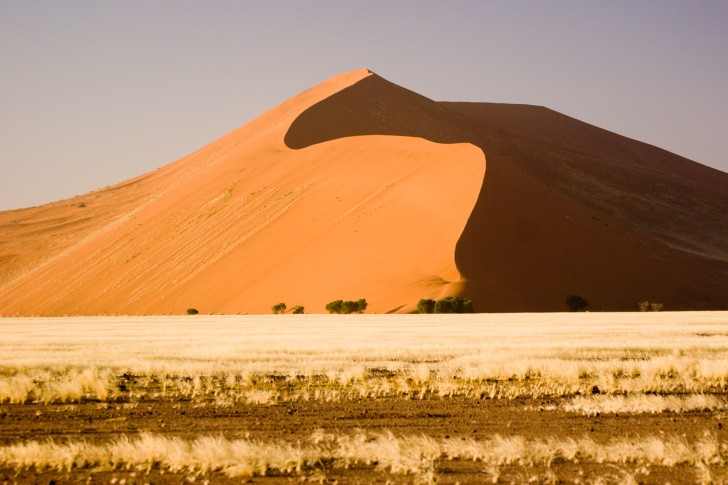
The towering red sand dunes of Sossusvlei in the Namib Desert are one of the most spectacular sights to be seen in Namibia. Sossusvlei itself is a clay pan fed by the Tsauchab River. In addition to the sea of red sand dunes, Sossusvlei is also home to the Dead Vlei, meaning “dead marsh”, an eerie white clay pan filled with dead Camelthorn trees. This area is contained within the Namib-Naukluft Park which is in turn a part of the Namib Desert, the oldest desert in the world. The best time to visit Sossusvlei is at sunrise or sunset when the colors are the most vivid and the sun is not too hot. Accommodation near the area ranges from luxury resorts, to mid-range lodges, to numerous campgrounds.

Credit: asco

Credit: asco

Credit: Greg Willis

Credit: asco

Credit: Greg Willis

Credit: Luca Galuzzi

Credit: Hans Hillewaert

Credit: asco
Salar de Uyuni, Bolivia
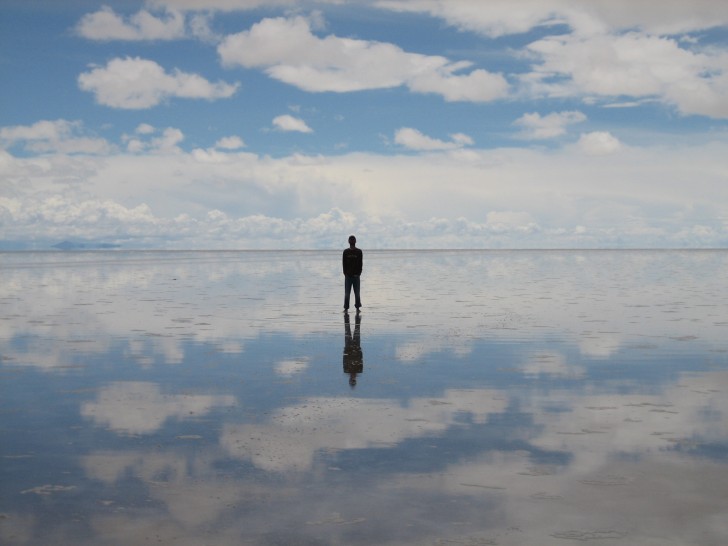
The world’s largest salt flat, Salar de Uyuni, is located in Southwest Bolivia. At 10,582 square kilometers (4,085 square miles), the Salar de Uyuni becomes the world’s largest mirror when covered in water. If this fascinating phenomenon alone wasn’t enough to entice tourists to visit, there is also an antique train cemetery in the area, 3km outside the town of Uyuni. Because the Salar de Uyuni is so flat, NASA is able to utilize it to calibrate some of their satellites. While the Salar de Uyuni itself is devoid of wildlife, it is used as the breeding grounds for some species of pink South American flamingos once a year in November. There are hotels for tourists nearby and they are almost all built out of salt blocks, including the furniture.

Credit: Daniel Perez

Credit: Luca Galuzzi