Easter Island

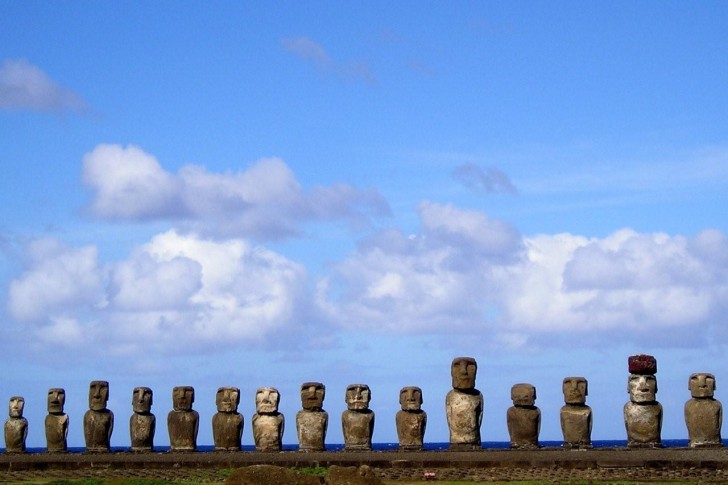
Easter Island is an isolated Polynesian island located in the southeastern Pacific Ocean. Politically, Easter Island is a special territory of Chile. Easter Island is famous for the almost 900 stone statues, called moai, that are in the shape of human heads and simple bodies. These moai statues were created by the Rapanui people hundreds of years ago. It is believed that the Rapanui people’s numbers dwindled due to the overexploitation of their tiny, isolated island. Others claim diseases from Europe are to blame for the decline. The island’s name was given in 1722 by a Dutch explorer, who landed on the island on Easter Sunday. The Polynesian name for the island is Rapa Nui, meaning “Big Rapa” in reference to a similar looking Polynesian island called Rapa. Today, Easter Island is a UNESCO World Heritage Site, and destination for history loving tourists.

Moai Statues, Easter Island

Moai Statues, Easter Island

Credit: pingallery

Moai Statues, Easter Island

Moai Statues, Easter Island

Credit: NewOpenWorld Foundation

Moai Statues, Easter Island

Moai Statues, Easter Island

Credit: Hhooper1

Moai Statues, Easter Island

Credit: Ryoji

Chichen Itza, Yucatán, Mexico

Chichen Itza, Mexico

Credit: Raúl López

Chichen Itza is an ancient Mayan site located on the Yucatán peninsula of Mexico. These famous pre-Columbian ruins signify the rich history of the ancient Mayan civilization. Chichen Itza was likely built around 600 BCE, making the ruins roughly 2600 years old today. The large ruin complex contains many stone buildings, including temples, pyramids, and platforms, as well as various statues and caves. Chichen Itza is a UNESCO World Heritage Site, and is the second most visited archeological site in Mexico. A visit to the site is a popular day drip from nearby Cancún.

Chichen Itza, Mexico

Chichen Itza, Mexico

El Castillo, Chichen Itza, Mexico

Chichen Itza, Mexico

Chichen Itza, Mexico

Chichen Itza, Mexico

Chichen Itza, Mexico

Chichen Itza, Mexico

Credit: Tony Shuck

Jasper National Park, Alberta, Canada

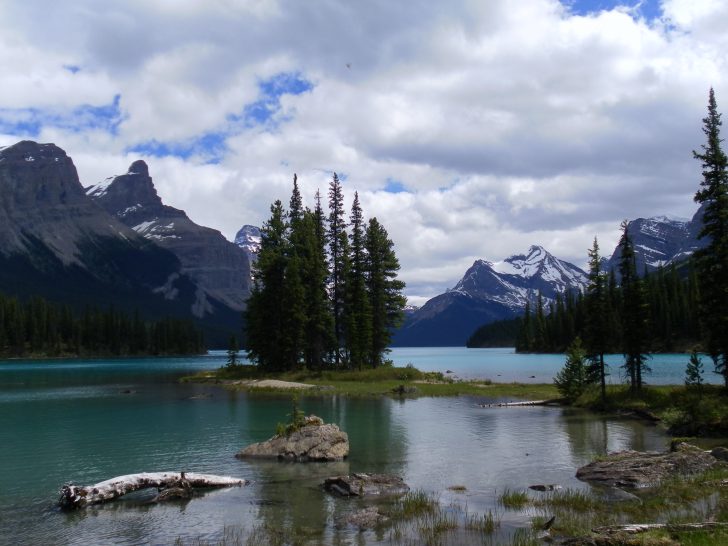
Spirit Island Maligne Lake, Jasper National Park, Alberta, Canada


The picturesque Jasper National Park in Alberta, Canada is known for its breathtaking mountain scenery with calm clear lakes framed by jagged snow covered peaks. The national park is the largest of its kind in the Canadian Rockies, covering a total area of over 10,878 square kilometers (4,200 square miles). Within Jasper National Park lies an amazing collection of lakes, waterfalls, hot springs, glaciers, and massive mountains. Visitors to the park can enjoy a vast array of activities, including hiking and mountain biking on extensive trails, skiing at Marmot Basin, fishing, swimming, kayaking, whitewater rafting and boating on many of the lakes and rivers, plus camping in numerous areas. For those looking for some quiet relaxation, Miette Hot Springs is the perfect place to go. Tourists can visit the park via car or motorcycle, or by train. The closest international airport is in Edmonton, the capital of Alberta. Also nearby is Lake Louise in Banff National Park.

Jasper National Park, Alberta, Canada

Patricia Lake, Jasper National Park, Alberta, Canada

Talbot Lake, Jasper National Park, Alberta, Canada

Tonquin Valley, Jasper National Park, Alberta, Canada

Spirit Island on Maligne Lake, Jasper National Park, Alberta, Canada

Tangle Creek Falls, Jasper National Park, Alberta, Canada

Edith Lake, Jasper National Park, Alberta, Canada

Athabasca Falls, Jasper National Park, Alberta, Canada

Jasper National Park, Alberta, Canada

Maligne Lake, Jasper National Park, Alberta, Canada

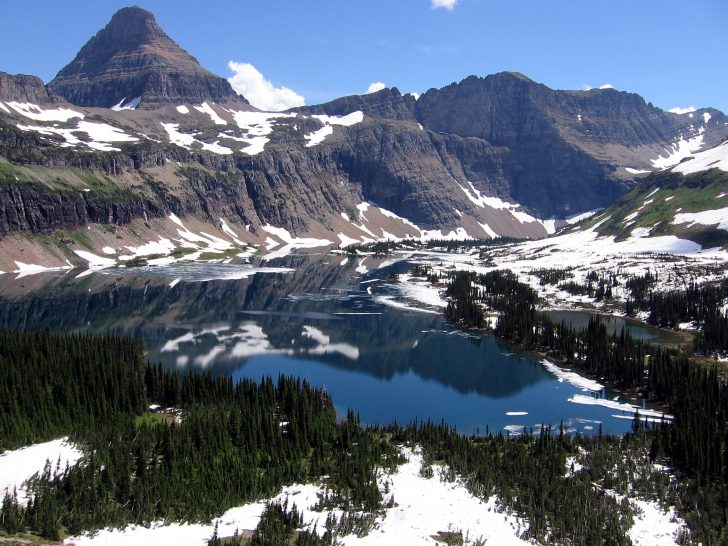
Glacier National Park, Montana, USA

Logan Pass, Glacier National Park, Montana


The famously beautiful Glacier National Park is located in the US state of Montana. The park is massively large, encompassing over 1,000,000 acres (4,000 square km). In the mid 1800s the park was named for its roughly 150 glaciers, though only 25 remain today and it’s estimated that all the glaciers will have melted by 2030. With over 130 lakes, two mountain ranges, over 700 miles of hiking trails, and many miles of scenic road, the park is a popular hiking, camping, and scenic driving destination for all manner of tourist. The nearest airport is in Kalispell, Montana, and the Amtrak train line stops at East and West Glacier, but most visitors choose to drive to the park. The park is also home to historic chalets and hotels if you’re looking for a more relaxed than rugged experience.

Swiftcurrent Lake, Glacier National Park, Montana

Grinnell Point & Swiftcurrent Falls, Glacier National Park, Montana

Two Medicine Lake, Glacier National Park, Montana

Lake Josephine & Mt. Gould, Glacier National Park, Montana

Glacier National Park, Montana

Glacier National Park, Montana

Lake McDonald, Glacier National Park, Montana

Glacier National Park, Montana

Grinnell Lake, Glacier National Park, Montana

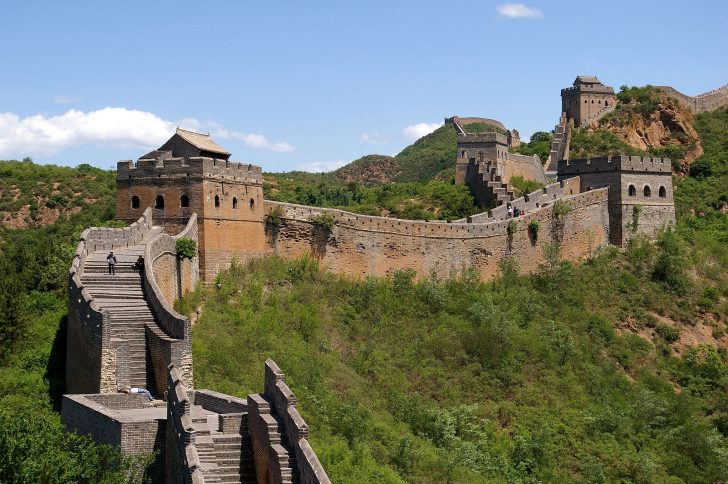
Great Wall of China, China

Great Wall of China


The Great Wall of China runs from Shanhaiguan in the east, to Lop Nur in the west, spanning 8,851.8 km (5,500.3 miles) of Northern China. It was arguably the longest running work in progress in history. Construction of the Great Wall began in the 5th century BCE, with rebuilding and maintenance efforts continuing into the 16th century CE. Today, the Great Wall of China is a must see destination for visitors to China. Many of it’s popular sections are well maintained. In some areas, tourists can climb the wall and then opt for a zip-line ride back down. The Great Wall of China is, of course, a UNESCO World Heritage Site.

Great Wall of China

Great Wall of China

Great Wall of China

Great Wall of China

Great Wall of China

Great Wall of China

Great Wall of China

Great Wall of China

Great Wall of China

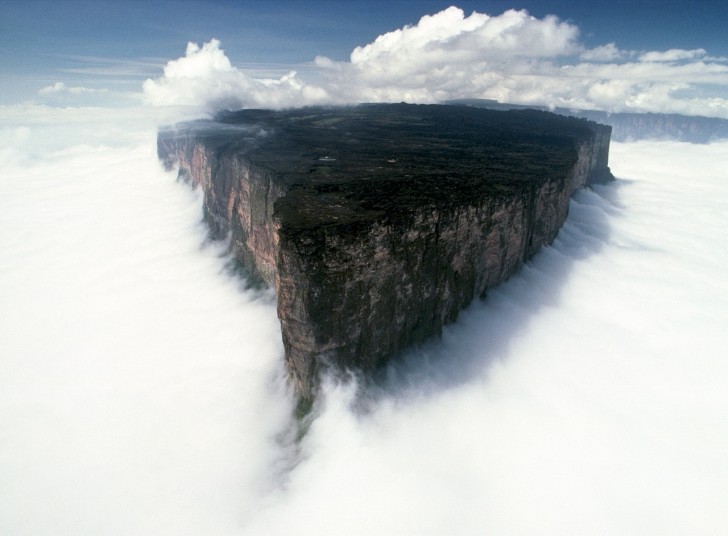
Mount Roraima, Venezuela

Mount Roraima, Venezuela

Credit: Uwe George, National Geographic Society

The majestic Mount Roraima is the highest mountain in the Pacaraima Mountains. Roraima lies on the three borders of Venezuela, Brazil, and Guyana. The mountain is part of Venezuela’s Canaima National Park, a UNESCO World Heritage Site. Angel Falls is also part of this beautiful park. Mount Roraima’s highest point is Maverick Rock at 2,810 meters (9,219 feet), and the whole of Mount Roraima’s fairly flat top surface area is surrounded by 400+ meter (1,312+ feet) high sheer cliffs. Mount Roraima can be climbed, though all routes besides the Paraitepui route require technical climbing gear. Visitors can get a stunning view of Mount Roraima and the greater Canaima National Park from a memorable helicopter ride.

Mount Roraima, Venezuela

Mount Roraima, Venezuela

Credit: ianmacd75

Mount Roraima, Venezuela

Mount Roraima, Venezuela

Mount Roraima, Venezuela

Mount Roraima, Venezuela

Credit: Yosemite

Mount Roraima, Venezuela

Credit: Corrie

Giant’s Causeway, Ireland

Giant's Causeway, Ireland

Credit: Bill

The Giant’s Causeway is a magnificent basalt rock formation located on Ireland’s northeast coast. The tops of the incredible hexagonal basalt columns form stepping stones to the ocean. The Giant’s Causeway is preserved as a UNESCO World Heritage Site and a National Nature Reserve in Ireland. Visitors to the area can also enjoy a ride on the historic Giant’s Causeway Tramway, a railway originally built in 1883. The nearest town to the Giant’s Causeway is the tiny community of Bushmills, only 3km (2 miles) north. The slightly larger towns of Ballycastle and Coleraine are also nearby. Belfast, the largest city and capital of Northern Ireland, is 95km (59 miles) to the south.

Giant's Causeway, Ireland

Credit: Jim Richardson of National Geographic

Giant's Causeway, Ireland

Giant's Causeway, Ireland

Credit: Garry

Giant's Causeway, Ireland

Credit: isynoho

Giants Causeway, Ireland

Credit: Garry

Machu Picchu, Peru

Peru is home to one of the most visited ancient ruins today, Machu Picchu. Literally meaning “Old Mountain”, Machu Picchu is a pre-Columbian Inca site that was built around 1400 CE. Today it is a UNESCO World Heritage Site that sees around half a million visitors each year. In January 2010 Machu Piccu was in the news worldwide when heavy rains washed away access roads to the site, trapping over 2,000 tourists and 2,000 locals who then had to be evacuated. Machu Piccu reopened to the public on April 1st, 2010. Most visitors to Machu Piccu stay in the nearby town of Cusco where all manner of accommodation can be found.

Machu Picchu, Peru

Machu Picchu, Peru

Credit: Neil Praught

Machu Picchu, Peru

Credit: Martin St-Amant

Machu Picchu, Peru

Credit: Daniel Bosma

Machu Picchu, Peru

Credit: Rolf Bach

Machu Picchu, Peru

Credit: Oscar Perfer